Changa Manga Forest, Explained
Why a forest was planted by hand in 1866, how it got its outlaw name, and everything worth seeing inside its 12,510 acres today.
Facts checked: 11 Oct 2026 · historical & ecological facts
What Is Changa Manga?
Changa Manga (Urdu/Punjabi: چھانگا مانگا) is a man-made forest and wildlife preserve straddling the Kasur and Lahore districts of Punjab. According to the Punjab Forest, Wildlife & Fisheries Department, the irrigated plantation covers 12,510 acres (about 5,065 hectares) and lies roughly 74 km south-west of Lahore. It is frequently described as one of the oldest and largest hand-planted forests in the world — a forest that exists only because people decided, tree by tree, to create it.
The Legend Behind the Name
The forest takes its name from Changa and Manga, two brother dacoits who, according to local legend, used the dense scrub of the 19th-century countryside as their hideout. The British administration eventually caught and hanged them — and when foresters set about planting a new forest on the same ground, the outlaws' names stuck. It is one of the few forests in the world named after bandits, and locals will happily tell you the tale is still told to misbehaving children in nearby villages.
Planted for the Railways
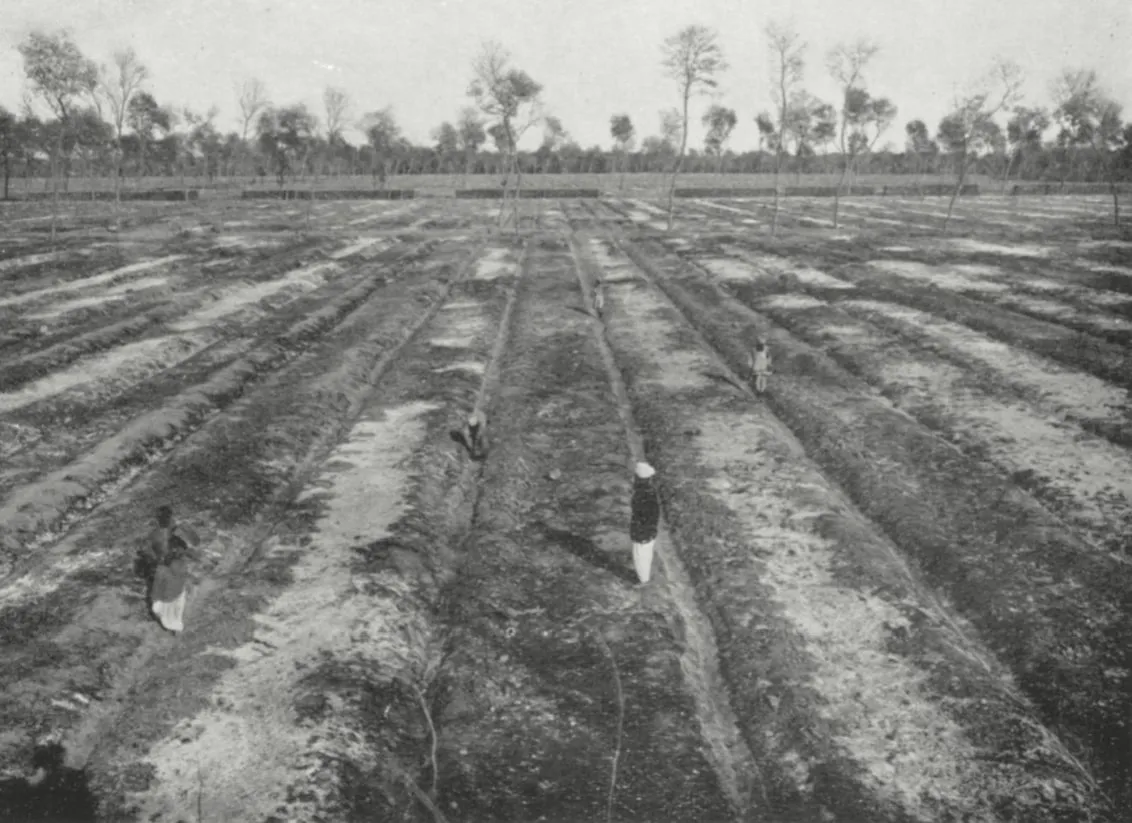
The forest was established in 1866, during the British colonial era, with a very practical purpose: to supply timber for the expanding railway network. Hardwood species — most famously shisham (Dalbergia sissoo) — were planted in neat blocks and harvested on rotation for railway sleepers, carriage parts and fuel. What began as an industrial tree farm slowly became something grander: a green lung, a wildlife refuge, and a beloved day-trip destination for generations of Lahoris.
The Heritage Forestry Railway
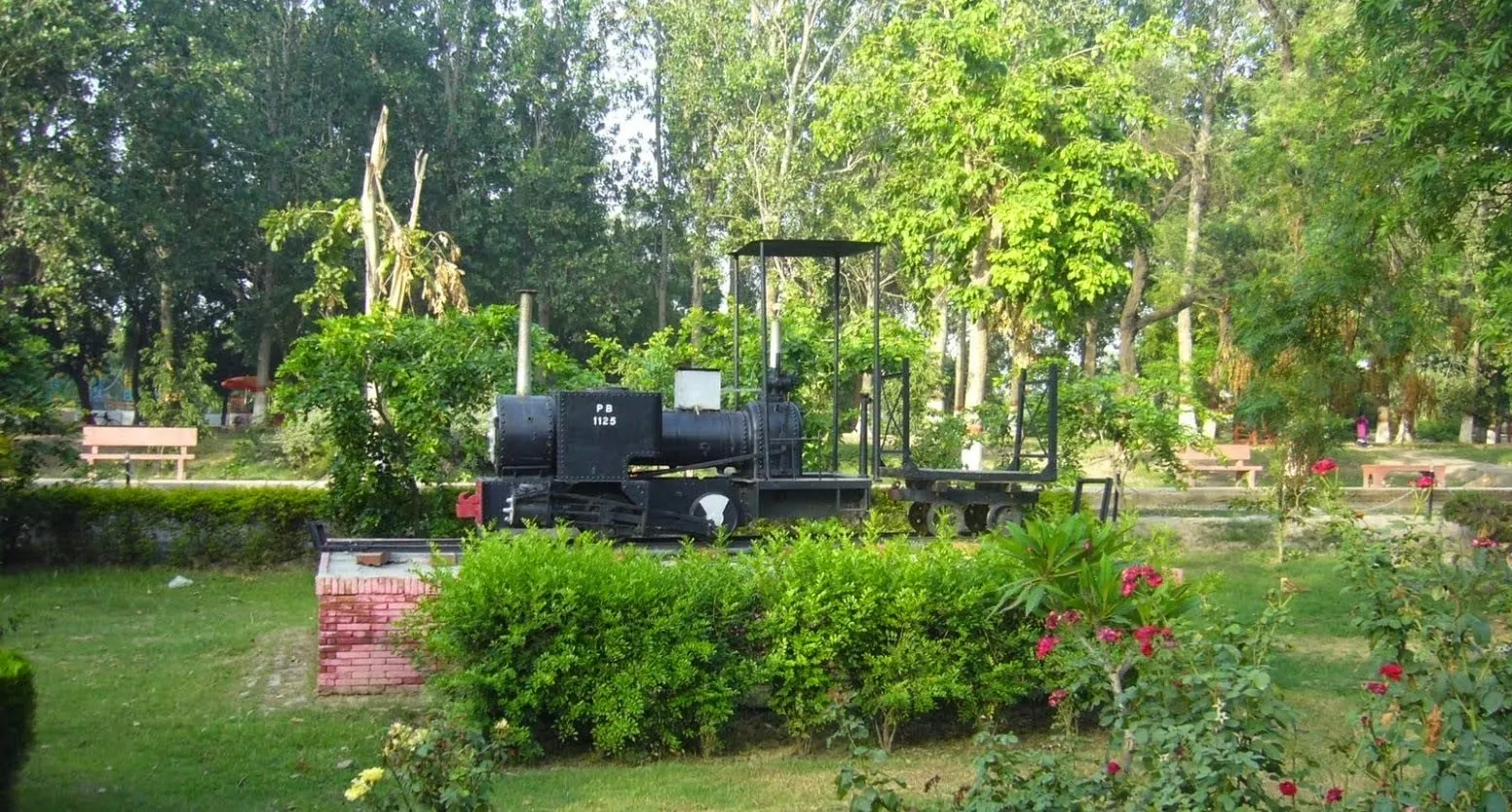
To move timber out of the forest, engineers built the Changa Manga Forestry Railway — a narrow-gauge line with a gauge of just 610 mm (2 feet). Historical records show a horse tramway operating here as early as 1898, with steam-powered tramway construction beginning around 1919; by 1920–21 roughly 4.8 km of track and two steam locomotives were at work. The little line's logging days are mostly behind it, but its spirit lives on: today a miniature tourist train carries visitors deep into the plantation, and the forest railway remains one of Changa Manga's most loved — and most photographed — attractions.
Wildlife: From Peacocks to Vultures
Beneath the canopy lives a surprising amount of life. Surveys and environmental assessments of the forest record golden jackals, wild boars, mongooses and partridges, alongside peacocks and a long list of resident and migratory birds. The forest's biggest conservation story, however, lives in cages and aviaries: the Vulture Restoration and Captive Breeding Facility, run by WWF-Pakistan with international partners, is the only ex-situ conservation initiative of its kind in Pakistan. It breeds the critically endangered Asian White-backed Vulture, a species devastated across South Asia by the veterinary drug diclofenac. For birdwatchers, this makes Changa Manga one of the most important bird sites in the country.
What You Can See & Do Today
The Punjab Forest Department lists the recreation facilities that make the forest family-friendly: Lunar Lake for boating, a pagoda-style pavilion, picnic lawns, suspension and cantilever bridges, a swimming pool and a mini zoo. Add the tourist train, forest walks and birdwatching, and you have enough for a full, unhurried day. For details and honest tips on each activity, see our activities guide and visit planner.
Sources: Punjab Forest, Wildlife & Fisheries Department (fw.punjab.gov.pk); Wikipedia — “Changa Manga”; FIBISwiki — “Changa Manga Forest Tramway”; WWF-Pakistan — “Saving Vultures in Pakistan”; International Steam journal. Full register in SOURCES.md. Checked 11 Oct 2026.
Photograph credits: images on this site are drawn from public web documentation of Changa Manga; the source is noted beneath each photograph. Contemporary photographs: Discover Pakistan TV / YouTube. Historical plantation photograph: public domain, c. 1912. To request a credit correction or removal, write to us via the contact page.
Getting There
74 km south-west of Lahore, about 10 km from Pattoki. Routes by car, bus and train — with honest road advice.
Planning Your Day
Best season, what to pack, family tips and a sample itinerary from sunrise to sunset.